
Professional Certificate in Biomechanical Engineering and Machine Learning
Friday, 14 August 2026 01:00:09
International applicants and their qualifications are accepted
Overview
Overview
Biomechanical Engineering and Machine Learning
Develop skills in designing and optimizing systems that interact with the human body, using machine learning algorithms to improve performance and efficiency.
This Professional Certificate program is designed for engineers and scientists looking to expand their expertise in biomechanical engineering and apply machine learning techniques to real-world problems.
Learn how to analyze and model complex biological systems, develop predictive models, and integrate machine learning algorithms to improve outcomes.
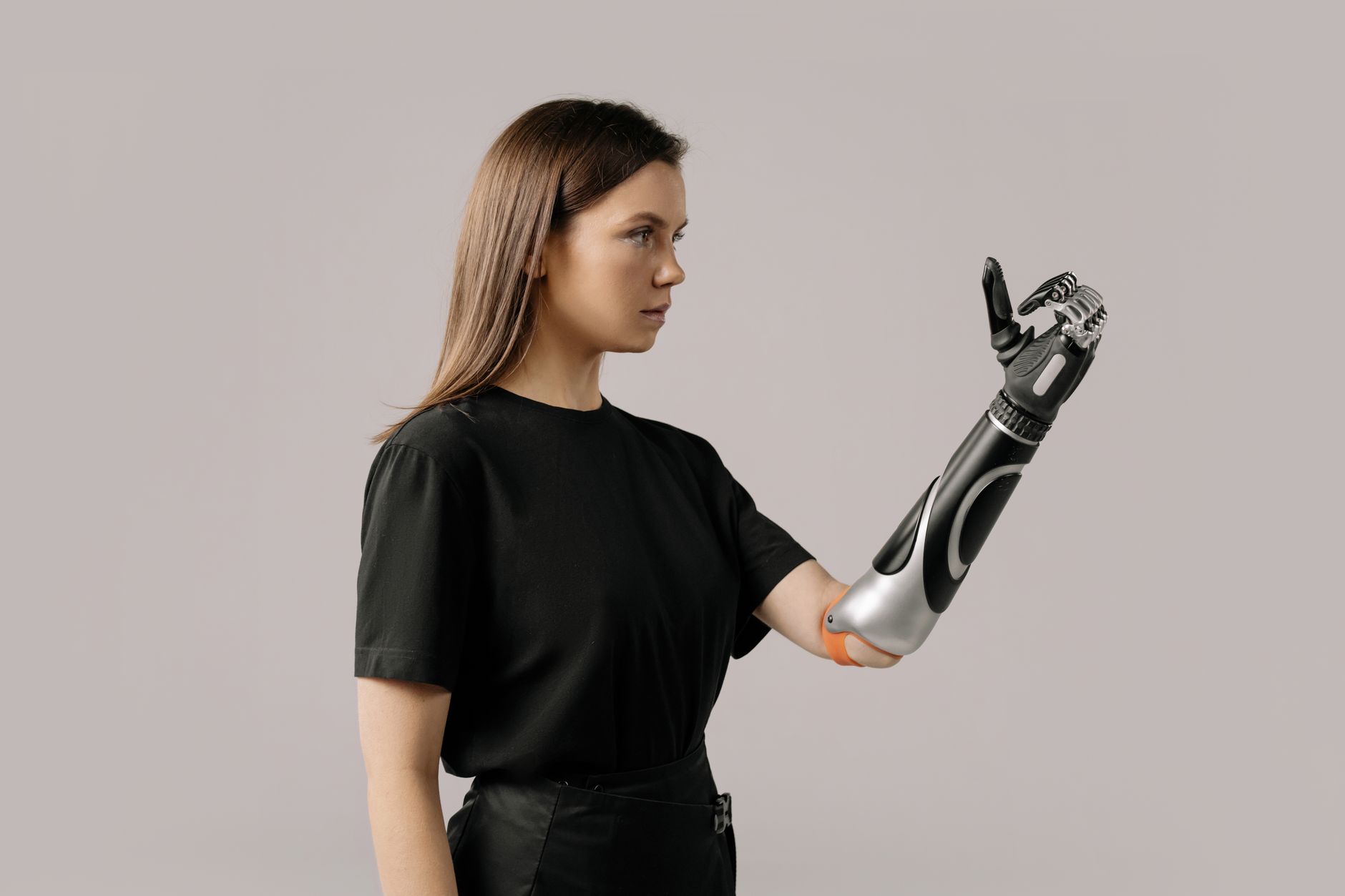
Gain practical experience with tools like Python, R, and MATLAB, and apply your knowledge to projects in fields such as medical devices, prosthetics, and sports performance.
Take the first step towards a career in biomechanical engineering and machine learning – explore this program further to discover how you can make a meaningful impact.
Content updated: 21 August 2025
Biomechanical Engineering is at the forefront of innovation, and our Professional Certificate in Biomechanical Engineering and Machine Learning is designed to equip you with the skills to thrive in this field. By combining the principles of biomechanics with machine learning, you'll gain a unique understanding of how to analyze and optimize complex systems. This course offers key benefits such as enhanced problem-solving skills, improved data analysis capabilities, and increased career prospects in industries like healthcare, sports, and aerospace. You'll also have access to unique features like personalized mentorship and industry connections.
Entry requirements
International applicants and their qualifications are accepted.
Step into a transformative journey at LSIB, where you'll become part of a vibrant community of students from over 157 nationalities.
At LSIB, we are a global family. When you join us, your qualifications are recognized and accepted, making you a valued member of our diverse, internationally connected community.
Course Content
- Machine Design and Dynamics Biomechanical Modeling and Simulation Machine Learning for Data Analysis Computer-Aided Design (CAD) and Finite Element Analysis Biomechanical Engineering Materials and Manufacturing Artificial Intelligence and Deep Learning Applications Human Movement Analysis and Optimization Sensor Integration and Signal Processing Biomechanical Engineering for Medical Devices Optimization Techniques for Complex Systems
Assessment
The evaluation process is conducted through the submission of assignments, and there are no written examinations involved.
Fee and Payment Plans
30 to 40% Cheaper than most Universities and Colleges
Duration & course fee
The programme is available in two duration modes:
1 month (Fast-track mode): £140
2 months (Standard mode): £90
2 months (Standard mode): £90
1 month (Fast-track mode) - £140
2 months (Standard mode) - £90
Awarding body
The programme is awarded by London School of International Business. This program is not intended to replace or serve as an equivalent to obtaining a formal degree or diploma. It should be noted that this course is not accredited by a recognised awarding body or regulated by an authorised institution/ body.
Start Now
- Start this course anytime from anywhere.
- 1. Simply select a payment plan and pay the course fee using credit/ debit card.
- 2. Course starts
- Start Now
Got questions? Get in touch
Chat with us: Click the live chat button
Key facts about Professional Certificate in Biomechanical Engineering and Machine Learning
The Professional Certificate in Biomechanical Engineering and Machine Learning is a comprehensive program designed to equip students with the knowledge and skills required to apply biomechanical engineering principles and machine learning algorithms to real-world problems in the field of biomechanics.
Upon completion of the program, students will be able to analyze complex biomechanical systems, develop predictive models, and design innovative solutions using machine learning techniques. This will enable them to make informed decisions in industries such as healthcare, sports, and product design.
The program is typically completed in 6-12 months, depending on the student's prior experience and the number of courses taken per semester. Students can expect to spend around 10-15 hours per week studying and completing assignments.
The Professional Certificate in Biomechanical Engineering and Machine Learning is highly relevant to the industry, as it addresses the growing need for data-driven solutions in biomechanics. Many companies are looking for professionals who can apply machine learning algorithms to analyze large datasets and develop predictive models.
Some of the key learning outcomes of the program include the ability to design and develop predictive models using machine learning algorithms, analyze complex biomechanical systems, and communicate complex technical information to non-technical stakeholders. Students will also gain hands-on experience with popular machine learning libraries and frameworks, such as Python and TensorFlow.
The program is designed to be flexible and accessible, with online courses and flexible scheduling options. This makes it an ideal option for working professionals who want to upskill or reskill in the field of biomechanical engineering and machine learning.
The Professional Certificate in Biomechanical Engineering and Machine Learning is offered by leading institutions and is recognized by industry partners. Upon completion of the program, students will receive a certificate of completion and be eligible for job opportunities in the field of biomechanics and machine learning.
Upon completion of the program, students will be able to analyze complex biomechanical systems, develop predictive models, and design innovative solutions using machine learning techniques. This will enable them to make informed decisions in industries such as healthcare, sports, and product design.
The program is typically completed in 6-12 months, depending on the student's prior experience and the number of courses taken per semester. Students can expect to spend around 10-15 hours per week studying and completing assignments.
The Professional Certificate in Biomechanical Engineering and Machine Learning is highly relevant to the industry, as it addresses the growing need for data-driven solutions in biomechanics. Many companies are looking for professionals who can apply machine learning algorithms to analyze large datasets and develop predictive models.
Some of the key learning outcomes of the program include the ability to design and develop predictive models using machine learning algorithms, analyze complex biomechanical systems, and communicate complex technical information to non-technical stakeholders. Students will also gain hands-on experience with popular machine learning libraries and frameworks, such as Python and TensorFlow.
The program is designed to be flexible and accessible, with online courses and flexible scheduling options. This makes it an ideal option for working professionals who want to upskill or reskill in the field of biomechanical engineering and machine learning.
The Professional Certificate in Biomechanical Engineering and Machine Learning is offered by leading institutions and is recognized by industry partners. Upon completion of the program, students will receive a certificate of completion and be eligible for job opportunities in the field of biomechanics and machine learning.
Why this course?
Biomechanical Engineering and Machine Learning have become increasingly significant in today's market, with the UK being no exception. According to a report by the Royal Academy of Engineering, the UK's biomechanical engineering sector is expected to grow by 10% annually, driven by advancements in medical devices, prosthetics, and sports technology.
| Year | Employment Growth |
|---|---|
| 2020-2025 | 10% |
| 2025-2030 | 12% |
| 2030-2035 | 15% |
Who should enrol in Professional Certificate in Biomechanical Engineering and Machine Learning?
| Biomechanical Engineering | Machine Learning |
| Ideal audience includes students and professionals with a strong foundation in mathematics, physics, and engineering, particularly those pursuing or working in fields like biomedical device development, prosthetics, orthotics, and sports biomechanics. | In the UK, for example, the Royal Academy of Engineering reports that 75% of engineering graduates are employed in non-engineering roles, highlighting the need for professionals with expertise in both biomechanical engineering and machine learning to drive innovation in healthcare and other industries. |
| Prospective learners should have a good understanding of programming languages such as Python, C++, and MATLAB, as well as experience with data analysis and visualization tools like pandas, NumPy, and Matplotlib. | The course is designed to equip learners with the skills to apply machine learning algorithms to real-world biomechanical engineering problems, enabling them to contribute to the development of more effective medical devices, prosthetics, and sports equipment. |
| Learners should be interested in the intersection of engineering, computer science, and healthcare, and have a passion for problem-solving and innovation. | By combining biomechanical engineering and machine learning, learners can pursue exciting career opportunities in industries such as healthcare, sports, and aerospace, with median salaries ranging from £40,000 to over £80,000 in the UK. |
Insights
Read important articles written by our experts
◎ Professional Certificate in Biomechanical Engineering and Machine Learning: Accelerating Innovation in
◎ Professional Certificate in Biomechanical Engineering and Machine Learning: Accelerating Innovation in ◎ Professional Certificate in Biomechanical Engineering and Machine Learning: Enhancing Your Career Opportunities ◎ Professional Certificate in Biomechanical Engineering and Machine Learning: Bridging the Gap Between Engineering and Data Science ◎ Professional Certificate in Biomechanical Engineering and Machine Learning: Mastering the Intersection of Technology and Health ◎ Professional Certificate in Biomechanical Engineering and Machine Learning: A Pathway to Expertise in Biomedical Applications
◎ Professional Certificate in Biomechanical Engineering and Machine Learning: Bridging the Gap Between Engineering and Data Science ◎ Professional Certificate in Biomechanical Engineering and Machine Learning: Mastering the Intersection of Technology and Health ◎ Professional Certificate in Biomechanical Engineering and Machine Learning: A Pathway to Expertise in Biomedical Applications
◎ Professional Certificate in Biomechanical Engineering and Machine Learning: A Pathway to Expertise in Biomedical Applications
Ready to advance your career?
Join thousands of learners on Professional Certificate in Biomechanical Engineering and Machine Learning. Enrol today and take the next step.