
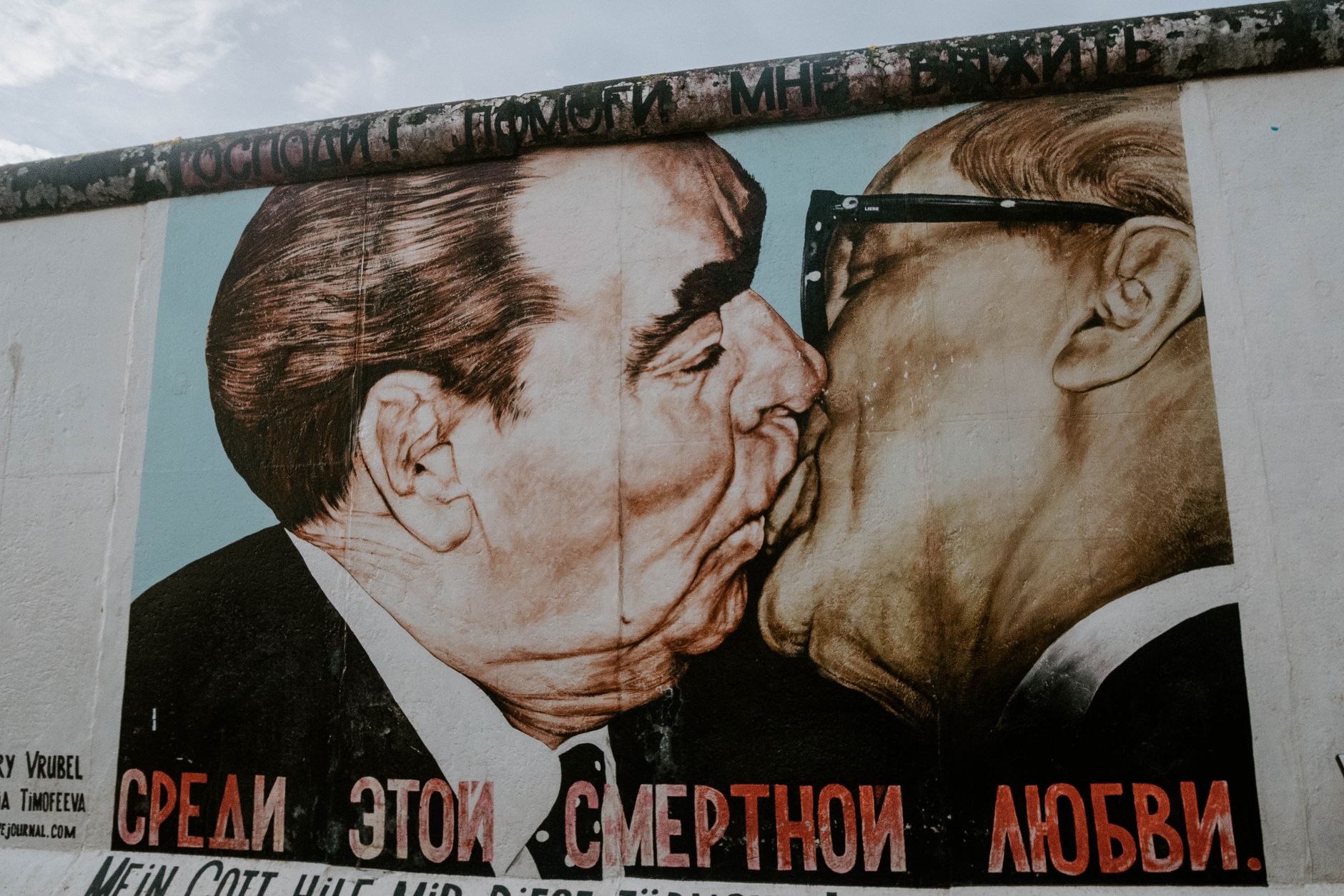
Certificate in Anthropology of Cold War
Tuesday, 11 August 2026 18:44:23
International applicants and their qualifications are accepted
Overview
Overview
The Cold War was a pivotal period in modern history, and understanding its complexities is crucial for grasping the world we live in today.
This Certificate in Anthropology of the Cold War is designed for individuals who want to explore the social, cultural, and political dynamics of this era.
Through a combination of lectures, discussions, and case studies, learners will gain a deeper understanding of the Cold War's impact on societies, cultures, and individuals.
By examining the experiences of people living through the Cold War, learners will develop a nuanced understanding of the era's key themes, including propaganda, ideology, and globalization.
This Certificate is ideal for those interested in anthropology, history, international relations, or cultural studies.
Whether you're a student, researcher, or simply curious about the past, this Certificate will provide you with a comprehensive understanding of the Cold War's significance.
So why not explore the world of Cold War anthropology today? Enroll in this Certificate program and discover the fascinating stories and insights that can help shape your understanding of our complex world.
Content updated: 22 August 2025
Cold War is a pivotal period in modern history that continues to fascinate scholars and researchers alike. Our Certificate in Anthropology of Cold War delves into the cultural, social, and political dynamics of this era, providing a unique perspective on the complexities of international relations. By exploring the intersection of anthropology and Cold War studies, you'll gain a deeper understanding of the human experience during this tumultuous period. Key benefits include enhanced career prospects in fields such as international relations, cultural studies, and academia. Unique features of the course include expert guest lectures and fieldwork opportunities in key locations.
Entry requirements
The program operates on an open enrollment basis, and there are no specific entry requirements. Individuals with a genuine interest in the subject matter are welcome to participate.International applicants and their qualifications are accepted.
Step into a transformative journey at LSIB, where you'll become part of a vibrant community of students from over 157 nationalities.
At LSIB, we are a global family. When you join us, your qualifications are recognized and accepted, making you a valued member of our diverse, internationally connected community.
Course Content
- Cold War History
- Marxist-Leninist Ideology
- Soviet Politics and Society
- US Foreign Policy and Diplomacy
- Propaganda and Disinformation
- Espionage and Intelligence Agencies
- Decolonization and Anti-Imperialism
- Nuclear Proliferation and Arms Control
- Human Rights and Dissent
- Globalization and Economic Systems
Assessment
The evaluation process is conducted through the submission of assignments, and there are no written examinations involved.
Fee and Payment Plans
30 to 40% Cheaper than most Universities and Colleges
Duration & course fee
The programme is available in two duration modes:
1 month (Fast-track mode): £140
2 months (Standard mode): £90
2 months (Standard mode): £90
1 month (Fast-track mode) - £140
2 months (Standard mode) - £90
Awarding body
The programme is awarded by London School of International Business. This program is not intended to replace or serve as an equivalent to obtaining a formal degree or diploma. It should be noted that this course is not accredited by a recognised awarding body or regulated by an authorised institution/ body.
Start Now
- Start this course anytime from anywhere.
- 1. Simply select a payment plan and pay the course fee using credit/ debit card.
- 2. Course starts
- Start Now
Got questions? Get in touch
Chat with us: Click the live chat button
Key facts about Certificate in Anthropology of Cold War
The Certificate in Anthropology of the Cold War is a specialized program that delves into the social, cultural, and historical aspects of the Cold War era.
This course of study is designed to equip students with a deep understanding of the complex dynamics that shaped international relations during this period.
Through a combination of theoretical frameworks and real-world case studies, students will gain insight into the ways in which anthropology can inform our understanding of global politics and conflict.
Learning outcomes of the Certificate program include the ability to analyze complex social and cultural phenomena, think critically about the intersections of power and identity, and develop effective communication skills for working with diverse stakeholders.
The duration of the Certificate program varies depending on the institution offering it, but most programs take one to two years to complete.
Industry relevance is high for graduates of the Certificate in Anthropology of the Cold War, as the skills and knowledge gained through this program are highly transferable to a wide range of fields, including international relations, diplomacy, and non-profit work.
Anthropologists with expertise in the Anthropology of the Cold War are in high demand, particularly in government agencies, think tanks, and research institutions.
The Certificate program also provides a strong foundation for pursuing advanced degrees in anthropology or related fields, such as international relations or sociology.
Overall, the Certificate in Anthropology of the Cold War offers a unique and valuable education that can prepare students for careers in a rapidly changing global landscape.
This course of study is designed to equip students with a deep understanding of the complex dynamics that shaped international relations during this period.
Through a combination of theoretical frameworks and real-world case studies, students will gain insight into the ways in which anthropology can inform our understanding of global politics and conflict.
Learning outcomes of the Certificate program include the ability to analyze complex social and cultural phenomena, think critically about the intersections of power and identity, and develop effective communication skills for working with diverse stakeholders.
The duration of the Certificate program varies depending on the institution offering it, but most programs take one to two years to complete.
Industry relevance is high for graduates of the Certificate in Anthropology of the Cold War, as the skills and knowledge gained through this program are highly transferable to a wide range of fields, including international relations, diplomacy, and non-profit work.
Anthropologists with expertise in the Anthropology of the Cold War are in high demand, particularly in government agencies, think tanks, and research institutions.
The Certificate program also provides a strong foundation for pursuing advanced degrees in anthropology or related fields, such as international relations or sociology.
Overall, the Certificate in Anthropology of the Cold War offers a unique and valuable education that can prepare students for careers in a rapidly changing global landscape.
Why this course?
Certificate in Anthropology of Cold War: A Relevant Skillset in Today's Market
In the current job market, having a unique skillset can give you a competitive edge. The Certificate in Anthropology of Cold War is an interdisciplinary field that combines anthropology, history, and international relations to study the impact of the Cold War on societies and cultures. According to a survey by the Higher Education Statistics Agency (HESA), there were 14,490 students who studied anthropology in the UK in 2020/21, with a 10% increase from the previous year.
Job Prospects and Salary Potential
Market outlook
Illustrative estimates
| Job Title | Average Salary (UK) |
|---|---|
| International Relations Specialist | £35,000 - £50,000 |
| Cultural Consultant | £25,000 - £40,000 |
| Researcher (Anthropology) | £20,000 - £30,000 |
Who should enrol in Certificate in Anthropology of Cold War ?
| Ideal Audience for Certificate in Anthropology of Cold War | Those interested in the social, cultural, and historical aspects of the Cold War, particularly in the UK, where the conflict had a profound impact on society and politics. |
| Demographics: | Individuals aged 25-45, with a background in social sciences, humanities, or international relations, and those working in fields such as education, research, or policy-making. |
| Interests: | Understanding the Cold War's influence on British society, exploring the intersection of politics, culture, and identity, and developing skills to analyze and interpret complex historical data. |
| Career Paths: | Professionals seeking to enhance their knowledge of the Cold War's impact on the UK, academics looking to specialize in Cold War studies, and those interested in pursuing a career in related fields such as history, politics, or international relations. |
Ready to advance your career?
Join thousands of learners on Certificate in Anthropology of Cold War . Enrol today and take the next step.